Monday, November 7, 2016

What is Bacopa Monnieri?

Bacopa monnieri (which is sometimes called waterhyssop, brahmi, or herb of grace) is an herb that has been used for centuries in Ayurvedic medicine to treat a wide array of illnesses. Today, it’s a commonly used nootropic supplement that has been shown to improve memory and decrease anxiety. Studies show it may improve cognition by keeping you calmer.

Bacopa Monnieri

Bacopa monnieri may also influence the cells that help with brain regeneration by decreasing the oxidative stress that free radicals can have, which could make it appealing for people with brain injuries as well as those concerned about the impact of aging and time on the brain. There are some studies that suggest bacopa monnieri can help decrease the inflammation of the brain that comes with aging and improve outcomes for Alzheimer’s patients. With potential benefits numbering in the dozens, bacopa monnieri has widespread appeal and is suitable variety of users.

What does bacopa monnieri stack with?

The first thing to take into consideration is that, for some users, bacopa monnieri has been known to cause gastrointestinal problems when taken on an empty stomach. For the sake of your belly, don’t forget that it stacks first and foremost with food! Since bacopa monnieri is fat soluble, try taking it alongside a meal that has includes healthy fats. Think avocado toast, buttered coffee, or a smear of almond butter on an apple.

Bacopa

When stacked alongside other supplements, bacopa monnieri may have benefits ranging from upping cognitive abilities to decreasing stress, may experience a different outcome depending on what else you’re taking.

If improving your memory and feeling less anxious is what you’re hoping this supplement can do for you, try bacopa monnieri with the supplement Protadim. Protadim includes milk thistle, curcumin, green tea catechins, and ashwagandha. The study linking the positive effects of this stack also indicated you may get some of the benefits with just one or two of the compounds found in Protadim, so if they’re already in the mix for you, all the better. Keep in mind that most users report that these benefits can take a few weeks of continuous use to show up, so be patient. During that time, some people have decreased motivation and a little trouble getting to sleep, so the adjustment period can be a little bit tricky.

Another name-brand supplement, Perment, stacks bacopa monnieri with asparagus, ashwagandha, and clitoria ternatea. Some research suggests that this combination may relieve symptoms of depression naturally. While there’s evidence of the link between taking this supplement and diminishing the symptoms of depression, the effect won’t be complete, so don’t consider this a standalone treatment. Anticipate minor reductions in your symptoms. This shouldn’t take the place of an antidepressant that your doctor prescribes, but if you’re interested in trying an Ayurvedic approach alongside a Western one, ask your healthcare provider about this.

There’s some data to suggest bacopa monniere stacked with yohimbine can help to dull your perception of pain if you take a high dose, and conjecture that a cocktail of bacopa monnieri and caffeine may hinder stress-inducing dopamine spikes.

Bacopa

Where can I get Bacopa Monnieri?

In addition to the supplements Protadim and Perment, you’ll find bacopa monnieri in Nootrobox’s RISE supplement, where it’s stacked with rhodiola rosea and Alpha-GPC. Some research and anecdotal evidence suggests this combination can improve your memory and resiliency. The standard dose for bacopa monnieri is about 300mg per day in many nootropic stacks.

Have you tried bacopa monnieri? What do you stack yours with? Tell us in the comments!

The post What is Bacopa Monnieri? appeared first on Brain Wiz.

Saturday, November 5, 2016

What Nootropics Stack Well with Rhodiola Rosea?

Nootropics users are tinkerers by their very nature. Many alternate between a range of blended supplements to create the stack that will get them the results they want. When structuring your ideal stack, consider adding in rhodiola rosea. Read on for a guide for how to integrate this popular herbal supplement into your daily routine.

Rhodiola Rosea

What Is Rhodiola Rosea?

Rhodiola rosea is a flowering plant that grows year-round in cold regions all over the world. It’s been found in Canada, the United States, England, Ireland, and Austria, and it goes by many names. You may see it listed as king’s crown, Arctic root, lingum rhodium, rose root, or golden root, but it will most often appear in supplement ingredient lists by its most common name, rhodiola rosea.

Over the centuries, rhodiola rosea has been used to treat a vast array of ailments, but today, it’s most commonly found in nootropic blends designed to decrease fatigue. Since rhodiola rosea can have both positive mental and physical effects, it’s a high-value aspect of many nootropics users’ stacks.

Rhodiola Rosea

(Image: Erlend Bjørtvedt, Licensed under (CC BY-SA 3.0) (https://creativecommons.org/licenses/by-sa/3.0/deed.en)

What Does Rhodiola Rosea Stack Well With?

Rhodiola rosea pairs well with a variety of common nootropics like Siberian ginseng, St. John’s wort, lemonwood, and cranberry water extract.

Many users have found that stacking Siberian ginseng or lemonwood and rhodiola rosea can help manage stress. There’s also some research that suggests it can have an adaptogenic impact on the body, limiting the amount of stress the system experiences in less-than-ideal situations. There’s even some research suggesting a link to this particular combination and a longer lifespan, though it’s still in the preliminary phases.

St. John’s wort can help curb appetite and may prevent binge eating when paired with rhodiola rosea. Many users find that when they’re trying to diet or struggling with overeating, adding rhodiola rosea to their stacks can help stymie hunger.

Rhodiola Rosea

Rhodiola rosea is considered safe, and for most people to take, but some research suggests that taking too much can increase the risk of elevated platelet counts. Ask your doctor if rhodiola rosea is a good fit for your overall lifestyle before you start taking it.

Where Can I Get Rhodiola Rosea?

There are many rhodiola rosea supplements on the market today. Some nootropics users like to take a stand-alone rhodiola rosea supplement. Our reviewers tried the one Solaray made and liked it. Still other nootropics users like to take rhodiola rosea in the form of a supplement blend. The popular RISE by Nootrobox contains rhodiola rosea, as does Neurofuse. Both try to help improve cognition and stack rhodiola rosea with other supplements purported to do the same.

Have you taken rhodiola rosea? What did you stack it with? Tell us about your experience in the comments.

The post What Nootropics Stack Well with Rhodiola Rosea? appeared first on Brain Wiz.

Monday, October 31, 2016

How Does Vinpocetine Work?

What Is Vinpocetine?

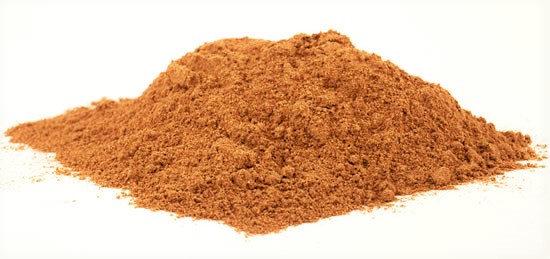
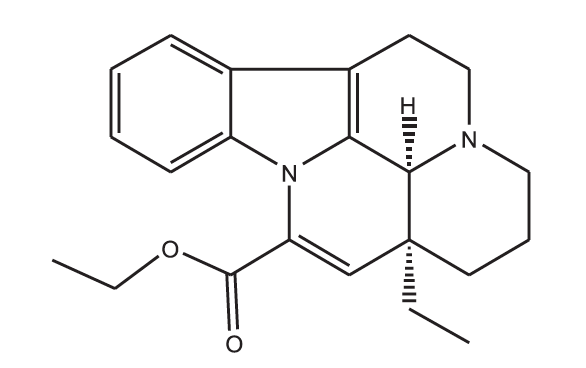
Vinpocetine is a very common semisynthetic derivative of an extract from the periwinkle plant. It was developed in Hungary as a pharmaceutical drug for treating a variety of brain-related concerns, like strokes and epilepsy. It isn’t available in the United States as a pharmaceutical-grade drug, but it’s often sold as a nootropic supplement. Most people who take vinpocetine use it because it may improve memory and cerebral metabolism.

Vinpocetine

How Does Vinpocetine Work?

In a nootropic context, vinpocetine is typically taken by mouth, so it’s absorbed quickly into the bloodstream, which carries it to the brain. Once it’s in your system, it works to reduce neural inflammation and enhance neuroprotection against toxins or excess stimulation. This protection from stress can help decrease cognitive decline that comes with age. This means it can help improve reaction times, for example. Some users report that this helps them improve their memories.

Some studies on vinpocetine are done with vinpocetine infusions, which makes it hard to know exactly what will happen when you take it orally. In some of these intravenous studies, vinpocetine seems to improve blood flow to the brain, which could help to reduce headaches (and is in line with some of the more traditional uses of periwinkle in complementary medicine). There are no studies linking reduced headaches when you take vinpocetine orally, but some users do report feeling better.

Vinpocetine

All of these effects can be pronounced, with some studies suggesting that vinpocetine could even help prevent things like amnesia. It’s important to bear in mind, though, that these studies were conducted on people who had experienced brain trauma, not healthy individuals who were looking for a cognitive boost.
Another mechanism of vinpocetine is its ability to interact with several major ion channels (think calcium, potassium, and sodium). This means that it can possibly have a suppressive effect on neuroprotection and neurotransmitter release if glutamate or dopamine are also suppressed. This is important because some studies show that dopamine and glutamate can cause oxidative damage if they’re overstimulated by toxins. High dopamine levels can cause a feeling of agitation or anxiety, and too much glutamate can make you feel tired.

Lastly, vinpocetine has a mechanism that is a PDE1 inhibitor. This means that it has the ability to both enhance your cognition and protect your heart from disease. The research on this is still fairly nascent and this effect appears to require a dosage much larger than most users get in a supplement, but the link is promising.

Where Can I Get Vinpocetine?

Since vinpocetine is synthetic, there aren’t any naturally occurring dietary sources of it. You have the option to add it to your stack as a standalone supplement; some people find it stacks well with Piracetum and ginko biloba. There are also a lot of supplement blends containing vinpocetine. If that sounds like a better fit for you, EBOOST drink powders contain vinpocetine in their recipe.

Have you tried vinpocetine? Did it improve your memory? Tell us about it in the comments.

The post How Does Vinpocetine Work? appeared first on Brain Wiz.

Sunday, October 30, 2016

What Are Adaptogens?

When wading into the world of nootropics, there’s a lot of new vocabulary to take in. Adaptogens, a class of compound you see a lot in supplements, can be among the most confusing to new users, but they don’t have to be. Read our guide to start demystifying these important building blocks of a complete and effective stack.

800px-rhodiola_rosea_140720086571rosenrot

What Are Adaptogens?

Adaptogens are compounds that can help to limit the amount of stress your body experiences if taken in advance of an event that itself causes stress. Adaptogens are a somewhat understudied group of compounds; though many have been in use for centuries, there’s no single accepted definition for them. They’re a very diverse group of substances; they don’t come from one family or have one use. Also, adaptogens don’t all necessarily have the same mechanisms. Some adaptogens aren’t even really nootropics at all, by some estimations. Most people in the nootropic community agree that an adaptogen must be a naturally occurring nontoxic and nonspecific compound that has a normalizing impact on the user’s physiology.

Since there are so many things adaptogens can be, companies use them to make a wide variety of claims ranging from longer lifespan to increased libido to heightened well-being.

What Are Some Examples of Adaptogens?

Since the word adaptogen covers a wider variety of herbs, it’s no surprise that there’s some debate about what is and isn’t part of this group. There are a few common adaptogens that aren’t as controversial, though— rhodiola rosea and ashwagandha make the cut and are agreed upon as adaptogens by most people in the nootropics community.

Ashwagandha is widely considered an adaptogen because it can help prevent the mental slowing that comes with aging and stress. For example, ashwagandha can act as an anti-anxiety agent, which helps some users lower the amount of stress their bodies experiences in tough situations. Over time, the stress that comes from anxiety can wear on your nervous system, which may make you less sharp and clear.

Rhodiola rosea is another very popular adaptogen in many nootropic supplements. It has been used for centuries as an anti-fatigue supplement, and there is some research that suggests it can also help the body repair after exercise. Like ashwagandha, rhodiola rosea can also help regulate anxiety in users, which helps keep stress and the damage that follows it at bay.

While the research is not yet conclusive, many users report that taking a supplement that contain adaptogens has helped them achieve the cognitive and physical benefits they’re seeking in their nootropic stack.

Where Can I Get Adaptogens?

Since the word adaptogen covers so many different supplements, there are lots of ways to work them into your stack. Nootrobox RISE contains both rhodiola rosea and bacopa monnieri, another herb some consider adaptogenic. Many users say Nootrobox RISE helps them deal with stress like a well-designed adaptogen compound should. Neurofuse also contains both of these herbs but in different amounts and stacked with other things, so Neurofuse could work well for a user who wants the stress reducing effects of an adaptogen but wants a boost of energy, too.

Have you tried an adaptogen in your stack? What’s your favorite? Tell us about your experience in the comments.

Image: Erlend Bjørtvedt, Licensed under (CC BY-SA 3.0) (https://creativecommons.org/licenses/by-sa/3.0/deed.en)

The post What Are Adaptogens? appeared first on Brain Wiz.

Wednesday, October 19, 2016

When should I take theanine?

Because nootropics is a quickly evolving field, there’s a lot of conflicting anecdotal evidence and scientific data about the best ways to hack your brain effectively. For example, theanine is known to be safe and effective for a variety of uses, but with its three hour half life and fast-approaching peak, who knows when to take it and with what? Read on for a guide.

When To Take Theanine

What is theanine?

Theanine (also called L-theanine or 5-N-Ethyl-Glutamine in some ingredient lists) is an amino acid that can act as a non-sedating relaxant for many users. It’s been making a big stir as a dietary supplement in recent years, because while it isn’t one of the essential amino acids and is not commonly found in most diets, it could be beneficial for many and has a slew of applications. The only natural dietary source of theanine is green tea, so you’ve probably already had some at some point without even realizing it. Unfortunately, it occurs at too low a level to be therapeutic unless you consume a lot of green tea, so most of us haven’t gotten to experience its calming effects.

At its root, theanine can help you reduce stress and relax without putting you to sleep. While theanine lets some users de-stress, it also tends to help sharpen the impact of certain stimulants, like caffeine. With so many potential benefits, consider timing your dosage to get the outcome you want.

Theanine Chemical Formula

When should I take theanine?

Theanine stacks well with caffeine—some research suggests you should take one alongside the other at a two-to-one ratio. Some users report anecdotally that it helps take the “edge” off a cup of coffee and makes them less jittery. There’s also evidence that it will enhance the increased energy and concentration that caffeine brings. This is theanine’s primary draw for nootropics users, so you will frequently see it listed as an ingredient in cognition-oriented supplements. If this is what you’re hoping to experience with theanine, your best bet may be to take 200 milligrams with 100 milligrams of caffeine or one cup of coffee first thing in the morning.

Some people prefer to use theanine to regulate their anxiety, either alone or as part of their overall regimen. It’s unusual to find relaxants that don’t make you drowsy, so this is a good solution for many people who struggle with anxiety but also want to stay sharp. This kind of theanine user has best results when they take theanine throughout the day, typically along with their meals.

Green Tea Theanine

If you don’t like coffee and don’t struggle with unwanted anxiety, there’s strong evidence that links it to better sleep, which is linked to myriad health and wellness benefits. Some people like to take a little theanine at a time throughout the day to prepare for sleep, while others have reported good outcomes taking their daily dose of theanine in the evening as part of their bedtime routine.

Since there are so many ways theanine can benefit you, time your intake to get the effects you want.

Where can I get theanine?

You’ll get some of the benefits of theanine just from drinking a few cups of green tea each day, but if you’d like to fully experience what theanine can do, your best bet may be a supplement.

Nootrobox’s SPRINT and Go Cubes offer theanine paired with caffeine and B vitamins to increase concentration and alertness, while Coffee Blenders has coffee with theanine blended right in it so you don’t have to remember your supplement. It’s important to keep in mind that everyone’s body is different; some users report better results if they take their theanine supplement about 45 minutes to an hour before they have caffeine in any form.

If it’s the anti-anxiety or sleep-improving properties of theanine you want to tap into, you might be better off to take your supplement sans stimulants, whether that’s as a stand alone or as part of a calming blend of other compounds.

Have you used theanine? Did it help you concentrate? When did you take it? Share with us in the comments.

The post When should I take theanine? appeared first on Brain Wiz.

Thursday, August 11, 2016

Soylent Introduces “Coffiest” Meal Replacement that Includes Mild Nootropics

Soylent, the company best known for its meal replacement drinks that provide a complete nutrient profile for the human body, is dipping its toe into the nootropics space. At least, that’s sort of the case via their newest product, Coffiest.

It’s basically coffee-flavored Soylent aimed at combining breakfast and coffee all in one convenient drink. And the company — founded by biohackers for biohackers, in many regards — has added nootropic compound l-theanine to enhance the effects of included caffeine while reducing the likelihood of jitters.

In that regard, they make be taking a page out of Nootrobox’s GO CUBES playbook by creating a new category of product that uses theanine to smooth out the caffeine kick. Of course, these two products are themselves very different: GO CUBES are edible, chewable coffee not designed to replace a meal, whereas Coffiest is basically a coffee-flavored breakfast shake + caffeine. Their use case scenarios will be different, and there’s a chance both will appeal to the same crowd — just for different times of day.

Why L-Theanine?

The caffeine + l-theanine stack is a potent nootropic combo on its own (in a ratio of about 1:2, so 100mg of caffeine and 200mg of l-theanine is fairly standard). Theanine naturally occurs in green tea and is an amino acid that can have calming — but not sedative — effects in mammals. It has few reported side effects, and when paired with coffee and other caffeine sources, studies suggest it can actually enhance caffeine’s focus-boosting properties while reducing the chance of jitters and feelings of over-stimulation. Basically, it “smooths out” the caffeinated kick so many people want.

Interestingly, Coffeist contains a ratio of 150mg of caffeine to just 75mg of l-theanine. That gives me the impression that the theanine seems to be more of a final addition to round off the product as opposed to a core focus.

Soylent already has a lot of traction among many in the biohacking space, and while their core products don’t contain nootropics, this could be a sign of new things to come.

The post Soylent Introduces “Coffiest” Meal Replacement that Includes Mild Nootropics appeared first on Brain Wiz.

Monday, August 8, 2016

What Is Astaxanthin, and Why Do I See It In Nootropic Supplements?

Astaxanthin is a carotenoid, which is a fat-soluble pigment found in some foods. Astaxanthin gives some seafood like salmon and krill the trademark red color we normally associated with those foods. (Fun fact: It’s also found in flamingo feathers, though it’s very doubtful your Astaxanthin supplement comes from flamingos! More often, it’s harvested from algae.) But why are we seeing it in more and more nootropic compounds?

Is Astaxanthin Good for the Brain?

The compound has been tied to increased blood flow, decreased low-density cholesterol oxidation (which could help reduce artery blockage and the risk of heart disease), and is generally considered a powerful anti-inflammatory and anti-oxidant. There’s some evidence that these two properties — anti-inflammatory and anti-oxidant — could help alleviate symptoms of brain injury and trauma.

It’s a compound that may also slow age-related cognitive decline because it can have neuroprotective properties, protecting the brain against oxidative damage that comes with age.

Other research indicates astaxanthin could increase spatial memory in mammals, though that research has primarily been conducted on rodents, not humans just yet. This research also emphasized that the exact mechanisms for astaxanthin’s impact on cognitive function aren’t fully explored, so while there may be some perceived benefit in studies and anecdotal use, we don’t yet have a full understanding of exactly how it impacts our brains.

Where Do We Find Astaxanthin Supplements?

We’ve seen more and more standalone astaxanthin supplements come on to the market, and most research that shows positive effects in humans involves supplementation around 6 to 8 mg per day. However, it’s also a compound that’s becoming frequently paired with other anti-inflammatory nootropics like fish oil (DHA and EPA). We first saw this combination in Nootrobox’s KADO-3 supplement, which pairs astaxanthin with fish oil, vitamin D, and vitamin K. Nootrobox’s astaxanthin is sourced from krill, much like the omega-3 oils in KADO-3.

What are your experiences with astaxanthin? Let us know in the comments below!

The post What Is Astaxanthin, and Why Do I See It In Nootropic Supplements? appeared first on Brain Wiz.

Wednesday, June 29, 2016

Don’t Forget About The Importance Of Sleep

While we talk mainly about supplements on this website, there are other ways you can greatly help your focus and your mental abilities.  Sleep is an extremely important factor for staying focused and productive.  You can take as many high-quality nootropics as you want, but if you are only getting a few hours of sleep each night, it’s going to be hard to be on the top of your game.  More than anything, if you would like to become more productive and focused during the day, you should attempt to get better sleep.


What are some actionable ways to get better sleep each night?  Here are a few tips that should help you out.


Consistent Schedule


Your body likes getting used to a consistent schedule.  If you can try to go to bed around the same time and wake up in the morning around the same time, you will be much more likely to get good, consistent sleep.  This is a problem that many people have.  They may be able to do this during the week but then they go to sleep much later on Friday and Saturday night.  If there’s any way for you to try to get a more consistent schedule, you’ll be much more likely to get better sleep.


Avoiding Blue Light Before Bed


Do you ever watch TV right before bed?  Ever look at your smartphone right as you are about to drift off to sleep?  If so, then you are negatively affecting your ability to sleep well.  Science shows that blue light is great at helping you feel awake in the morning and during the day, but it is quite harmful for people trying to wind down and get to sleep.  Your TV and electronics emits blue light that can get in the way of you sleeping well, so do what you can to mitigate your use of these devices within an hour or two of trying to go to bed.


Don’t Read / Watch TV In Bed


You should aim to make your bedroom a place solely for sleep and not entertainment.  Your body will start to associate your bed/bedroom with sleep if you do so, and it will be much easier to get to sleep this way.  Take all the reading and TV watching out of your bedroom, and you should find it’s a bit easier to sleep each night.


The Right Mattress


The right mattress is key to a great night of sleep.  If you have one that is old or too firm, you will have trouble getting to sleep and you will have trouble staying asleep throughout the night.  Furthermore, if you are prone to allergies, your mattress may cause extra congestion and will further prevent a good night of sleep.  Your best bet is to find a natural latex mattress or at least one that is hypo-allergenic (check out Zenhaven for a quality natural latex mattress).  Doing so will make sure you can get the best sleep possible.


Go For Walks


Stress is a big reason why people don’t sleep well.  If you simply go for a walk each day, then you will go a long way in reducing your stress.  It may seem like such a simple suggestion, but it really does work well for keeping your stress low and improving your ability to sleep.
Follow this advice and you should be on your way to getting better sleep.  Doing so will naturally make you more alert and productive during the day.

The post Don’t Forget About The Importance Of Sleep appeared first on Brain Wiz.

Tuesday, May 17, 2016

Reviewing InstaMix: Bulletproof Coffee on the Go?

There’s no denying the influence Bulletproof Coffee has had on bringing nootropics to the mainstream. Bulletproof Coffee consumption here at BrainWiz is nearly unanimous, and we are always looking at ways to make the regimen more portable.  The blend of “mold free” coffee, grass-fed butter, and medium-chain triglycerides is (for many of us, but not all) an effective brain energy booster on its own.

Bulletproof recently released their popular Brain Octane Oil in a softgel form, and while some of our testers liked the product, most felt like it did not deliver enough caprylic acid triglyceride bang, for the buck.  

Bulletproof InstaMix

Bulletproof InstaMix

Still looking for an easier way to take Bulletproof Coffee on the road, our testers were excited about the company’s new product: InstaMix, a powdered blend of MCT and grass-fed butter, which  is meant to be mixed in with fresh-brewed coffee. Read on to see if  this powder ended up being better than the softgels, and whether or not this is the answer to taking Bulletproof Coffee on the road.

The Ingredients

Per  packet

Caprylic Acid Triglycerides (Brain Octane Oil), Grass-fed Butter, Highly Branched Cyclic Dextrin, Oleic Fatty Acid (from Olive Oil)

Caprylic Acid Triglycerides (Brain Octane Oil)
Medium-chain triglycerides — normally in the form of refined coconut oils — have become popular in recent years, largely thanks to the work of Bulletproof founder Dave Asprey.

They’re a primary ingredient in Bulletproof Coffee, and Bulletproof/Upgraded self claims they provide sustained energy to the brain without the crash of stimulants. Research indicates MCT oil creates more ketone bodies when metabolized than most other fats, and these ketone bodies may be quickly utilized by the brain for energy. Their consumption in place of other calories sources has also been linked to increased fat loss.

Regular coconut oil contains only about 8% caprylic acid, so Bulletproof’s Brain Octane Oil is a highly refined derivative of coconut oil targeted toward brain function. Of course, that’s not to say the other lipid compounds in coconut oil don’t have their own potential benefits. Brain Octane Oil may not be as readily stored as fat within the human body, meaning it’s either metabolized for relatively quick energy or expelled as waste.

Bulletproof also claims slowing the digestion of their Brain Octane Oil carries benefits for gut biome health and microbial balance. However, research on that potential benefit is so far pretty sparse, and we’ve chosen to assess the product’s effects as they pertain to mental performance.

A normal tablespoon of liquid-form Brain Octane Oil contains 15 grams of caprylic acid. One packet of Brain Octane contains about 10 grams, so significantly more than the softgels, but still less than a serving of the original oil.

Bulletproof InstaMix Ingredients

Bulletproof InstaMix Ingredients

Grass-Fed Butter
Grass-fed butter is rich in vitamin K2, a vitamin essential for bone health. It is also loaded with butyrate, a short-chain fatty acid that can help ameliorate inflammation in the digestive tract.

Other Ingredients: Highly Branched Cyclic Dextrin, Sorbitol, Vitamin E TPGS.

Nutritional Value:

Amount per serving: Calories 135, Fat Cal. 117, Total Fat 13g (20% DV), Sat. Fat 10g (48% DV), Trans Fat 0g, Cholest. 15mg (5% DV), Sodium 0g (0% DV), Total carb. 5g (2% DV), Fiber 0g (0% DV), Sugars 0g, Protein 0g, Vitamin A (4% DV), Vitamin C (0% DV), Calcium (0% DV), Iron (0% DV). Percent Daily Values (DV) are based on a 2,000 calorie diet.

Usage Guidelines

Tear open a packet of InstaMix and pour into 8 oz freshly brewed Upgraded Coffee. For best results, shake InstaMix and Upgraded Coffee in a sealed Bulletproof Travel Mug. Alternatively, stir until well mixed. Enjoy, and feel the power.

What Our Testers Say

“These are a huge improvement over the softgels. I like that they have a mixture of the MCT, high-quality grass-fed butter—because let’s face it, carrying around a stick of butter is just as impractical as carrying around a bottle of oil. I had great energy with this, and even used it in the afternoon, with great success. ” — Alexandra

“I liked the softgels, and have reached for them a couple of times when I needed a caffeine-free boost during my day. These are not as practical as the pills, but they are more potent. I liked it  mixed with my caffeine-free tea, and will continue using it. The flavor was nutty, and pretty comforting.” — Wesley

“This mix is pretty solid when it comes to helping stave off hunger pangs, and give me a boost of energy. I tried mixing it with my cold brew, and had a disastrously clumpy result. I will stick to mixing it in warm coffee going forward. I have had some stomach issues with the full tablespoon of MCT oil before, but this didn’t bother me at all. ” — Chad

“This is a pretty great alternative for when I don’t have the time to make my Bulletproof coffee at home. I still prefer the “real” stuff, but this  is easy to mix, and it stacks well with my regular nootropic regimen. I will keep a couple of these in my briefcase, and at the office, for emergencies. ” — Ming

BrainWiz Tips

  • When it comes to MCT oil, the manufacturer suggests starting with 1 teaspoon of oil to coffee, and gradually increasing until you reach 1 to 2 tablespoons per cup of coffee. Some people experience an upset stomach when first trying MCT oil, and InstaMix is no different. BrainWiz testers have been drinking Bulletproof coffee and/or tea for years, so take your time working up to the full packet, if this is your first experience with MCT oil.
  • Most of our testers relied on their “regular” Bulletproof coffee in the morning, consumed an InstaMix beverage with lunch, which helped them fight afternoon hunger pangs, and slump.

Summary

While not as portable as the Brain Octane Softgels, InstaMix is a (surprisingly great) alternative for those looking for the BulletProof Coffee experience on the go. These packets are TSA-approved, and easy to take along in a carry-on, making it the perfect addition to a road-warrior’s nootropic chest.

The fact that these packets are also caffeine and stimulant-free makes them even more universally appealing.

The post Reviewing InstaMix: Bulletproof Coffee on the Go? appeared first on Brain Wiz.

Thursday, May 12, 2016

When Are the Best Times to Take Rhodiola Rosea?

Rhodiola Rosea, an adaptogenic herb, is a long-time BrainWiz favorite. Some rely on it to help fight jet-lag, while others take it on a daily basis. It is considered to be one of the most active adaptogenic drugs, and it shows up in quite a few nootropic stacks.

Life Extension Rhodiola RoseaOne question we’ve been getting a lot, especially since  our Side Effects of Rhodiola article went live, is what is the best time to take Rhodiola.

As an adaptogen, Rhodiola can help reduce the effects of stress, and potentially protect against long-term stress. Its effects on stress have been observed as quickly as the first time Rhodiola is administered, and continued use may increase resistance to stress, with few adverse effects on other normal biological functions (though it may have a stimulating effect for some people; see below).

Just because Rhodiola helps you fight  the effects of stress doesn’t mean that it relaxes you. In fact, studies suggest that rhodiola can fight both physical and mental fatigue, and can act as a stimulant.  

The easiest way to determine the best time to use Rhodiola is to take into consideration your sensitivity to stimulants, what other stimulants you may be taking in addition, and whether or not you have difficulty falling asleep at night.

What works best for me is 250 mg of Rhodiola in the morning, along with a cup of Bulletproot/fat-infused coffee. If I anticipate a high-stress day, I will follow it up with another 250 mg of Rhodiola with lunch. Note that Rhodiola doesn’t necessarily become more effective with a higher dose, and dosages above 600 mg haven’t been shown to be clinically effective (and may actually be less effective). 

Rhodiola by SolarayI have a high tolerance for stimulants, but I also have a hard time falling asleep at night. For me, taking Rhodiola after lunch is a big no-no, but feel free to experiment with what works best for you.

Some folks here at BrainWiz take up to 600 mg of Rhodiola at a time, and stack it with caffeine or other caffeine-containing supplements. I have stacked it with both Lumonol and Alpha BRAIN — with great results.

Again, finding the best time for you may take some experimentation, but I suggest with starting with a dose in the morning for best results.


Have you been taking Rhodiola? Share your supplement routine in the comments below.

The post When Are the Best Times to Take Rhodiola Rosea? appeared first on Brain Wiz.

Thursday, April 28, 2016

FOCUSfactor vs. Multivitamin: Is There a Difference?

FOCUSfactor labelWhen you look at the label of FOCUSfactor, you’ll see a long (LONG) list of ingredients that looks more like a standard multivitamin than targeted nootropic/brain supplement. And in reality, it’s probably more like the former than the latter; though a popular nootropic, FOCUSfactor is — in our opinion — a multivitamin in disguise. The manufacturer doesn’t release exact amounts for most of the nootropic ingredients in the stack, which means it’s tough to determine whether there’s enough of anything to make a difference in focus, concentration, and mental energy.

(Read our full FOCUSfactor review here.)

What We Thought of FOCUSfactor

Overall, our testers found FOCUSfactor to be pretty mild, and if anything, it’s a beginner-facing nootropic formula that probably won’t change your day-to-day productivity all that much. It pairs okay with coffee if you take it in the morning, but there’s an additional downside: FOCUSfactor has a large serving size at 4+ pills, meaning it can cause upset stomach in some people, especially when you take it without food.

For these and several other reasons, FOCUSfactor is currently rated toward the bottom half of all the nootropics our reviewers have tested in our Ultimate Guide to Nootropic Stacks.

FOCUSfactor Alternatives

FOCUSfactor by Synergy CHC CorpIf you’re looking for something beginner friendly that our testers found to have a positive effect on mental energy and cognition (that’s also caffeine-free, like FOCUSfactor), consider one of the following. We found each to be very beginner friendly and relatively easy to assess tolerance with. They were also fairly easy to time and take with or without food, though with food normally enhances absorption; this is especially true if the supplement contains a fat-soluble ingredient like bacopa:


The post FOCUSfactor vs. Multivitamin: Is There a Difference? appeared first on Brain Wiz.

Monday, April 25, 2016

FOCUSfactor Versus Focus Fast: Which Supplement Is Better?

FOCUSfactor vs Focus Fast

FOCUSfactor vs Focus Fast

FOCUSfast and Focus Factor are two nootropics stacks with long ingredient lists that make them seem more like multivitamins than concentrated, well-formulated nootropic supplements. (Spoiler alert: In our experience, they sort of are.) They’ve got dozens of vitamins and minerals, along with some common (and some not so common) brain boosters like tyrosine, Ashwagandha, vinpocetine, and various forms of choline-containing compounds. Do either of these supplements work to improve focus and/or energy, and which is the better nootropic?

Our testers weighed in below. For in-depth discussions of each stack, read our full FOCUSfactor and Focus Fast reviews.

FOCUSfactor versus Focus Fast

One important thing to note is that with the “proprietary” blends and lengthy ingredient lists on each of these broad stacks, user experience can vary significantly, as there are many, many ingredients that will seem different in potency to different users. However, our testers generally — and we emphasize generally — preferred FOCUSfactor to Focus Fast. They found FOCUSfactor to be the more consistent of the two caffeine-free nootropics, and it paired fairly well with breakfast for a mild clarity and focus boost.

However, one downside of FOCUSfactor is the relatively large serving size (4 pills). If you’re prone to upset stomach from ingesting capsules or pills, this is definitely not one to take without food in order to ease absorption.

Our testers felt next to no cognitive boost when taking Focus Fast, perhaps because the supplement’s proprietary blend (i.e. you don’t know how much of particular ingredients are in it) may not have contained enough of the active ingredients to actually impart a benefit.

Are There Better Nootropic Stacks?

After years of testing nootropic supplements, our testers tend to feel the combo multivitamin/nootropic supps aren’t that effective. They’re simply trying to cram too many ingredients into one supplement, and that means they often have antagonistic ingredients or too little of some active ingredients to make any difference.

And while both FOCUSfactor and Focus Fast seem to be marketed toward beginners in the nootropic space — they contain relatively straightforward ingredients, though just many in extremely small quantities — we think there are better options. Our ultimate guide to nootropic stacks for beginners lists every nootropic we’ve ever tested, along with our general experience and rankings from best to worst (most effective to least effective, although there’s some variability on criteria).

If you’re a beginner to the world of brain supplements, we’d recommend starting here to see what worked for us and what we DIDN’T like — it might help in figuring out what could work for you.

The post FOCUSfactor Versus Focus Fast: Which Supplement Is Better? appeared first on Brain Wiz.

Tuesday, April 19, 2016

FLOW by Noots Review: Is It a Smoother State of Mind?

Noots is an Australia-based nootropics company that’s recently hit the American market with FOCUS and FLOW. Their FLOW supplement is an all-natural, caffeine-free nootropic designed to help users “stay in the zone.” While there are no ground-breaking ingredients in this stack, Noots stands behind their “super-safe, well-researched, high-efficacy cognitive-enhancement” stacks. Read on to find out what our testers had say in our full FLOW review.

FLOW by Noots

FLOW by Noots


[Want to know what we thought about Noots’ other product? Check out our review of their FOCUS supplement.]

Ingredients

Bacopa monnieri — 200 mg

Rhodiola rosea  — 250 mg

ALCAR —  250 mg

Theacrine — 100 mg

Theanine — 100 mg

NALT — 100 mg

Bacopa monnieri
Bacopa Monnieri is an adaptogenic herb used in Ayurveda as a revitalizer, cognitive booster, and stress reliever. Tests show the positive effects the herb can have on memory and free recall.

Rhodiola rosea
An adaptogenic herb with anti-fatigue (both mental and physical) properties, rhodiola is one of the most common “natural” nootropic ingredients in brain enhancing supplements. Read more about why rhodiola rosea is so popular and why it has so few reported side effects here.

ALCAR (Acetyl-L-Carnitine)
Synthesized from methionine and lysine, ALCAR is designed to easily cross the brain-blood barrier, and it functions as a mitochondrial energy optimizer. Continuous use of ALCAR, can increase certain neurotransmitter levels in in the brain, and may be useful in combating depression.

Theacrine
An alkaloid derived from the Camellia Kucha plant, theacrine has been shown to improve mood while decreasing irritability.

FLOW by Noots Ingredient Label

FLOW by Noots Ingredient Label

Theanine
A calming amino acid, l-theanine has been shown to enhance the effects of caffeine while reducing the jitters some people experience with caffeine consumption.

NALT (N-Acetyl L-Tyrosine)
L-Tyrosine is well-linked to improving cognitive performance under conditions of stress — and the compound has been shown to actually reduce symptoms of stress itself, likely because it is involved in the production of dopamine.

Other ingredients: No other ingredients are listed, but the stack is labeled as vegetarian, gluten free, and non-gmo.

Usage Guidelines

Consume 1 capsule daily with food. Do not exceed more than 2 capsules within 24 hours

What Our Testers Say

FLOW by Noots
3.9 Score
Pros
  • Jitter free
  • Good w/coffee
  • Clear dosing
  • Good focus
Cons
  • Mild for some
  • Not fast acting
Summary
Noots' FLOW supplement was better for our testers than their FOCUS supplement on almost all accounts. In this stack, it seems like the adaptogenic combo of bacopa and rhodiola proved more effective for us than piracetam, which is the main ingredient difference between the two.
Focus
Energy
Memory
Beginner Friendly

“I’m not sure if it had something to do with the fact that I’ve been exhausted, but I feel like I got some really good night’s sleep while testing FLOW. The daytime effects were nice, but pretty mild. It paired well with my usual coffee consumption, so that’s a big plus. ” — Alexandra

“I took FLOWwith breakfast, after my morning workouts, and I did experience a nice wave of clean energy through the day. I also noticed that I had no problems focusing on the task at hand, and did not experience an afternoon crash, while testing this product. The effects are subtle, but definitely present. I generally prefer it to FOCUS from Noots.” — Wesley

“FLOW is a mild, but (I thought) high-quality supplement. The supplement was a great addition to my usual coffee, and I felt present without any anxiety. I will definitely keep this around, for ‘easier’ days. ” — Ming

“I really liked this product, and the energy I got from it (no jitters, like the manufacturer claimed – thought not a HUGE or QUICK rush of energy). My caffeine sensitivity sometimes limits the kind of products I can take on a daily basis, but I took this for a whole week, and felt alert, focused, and in control. ” — Chad

BrainWiz Tips

  • Take it with food for better absorption. It’s caffeine free, but FLOW may have some stimulatory effects, so start slow and work up to a full dose.
  • It seems well suited for those with a caffeine sensitivity.
  • A potential “everyday” nootropic stack as opposed to energy on demand.
  • It pairs well with coffee or other caffeinated drinks.

Supplement Summary

All of our testers experienced increased levels of energy and focus while testing Noots’ FLOW supplement. One tester also experienced more restful sleep, but could not directly link it to the nootropic.

Overall, FLOW is a solid caffeine-free supplement that seems to be produced with quality in mind. We are looking forward to testing out the next two products slated for release by Noots: DOZE, a sleep supplement, and LIFT, a workout enhancer.

The post FLOW by Noots Review: Is It a Smoother State of Mind? appeared first on Brain Wiz.

Tuesday, April 12, 2016

FOCUS by Noots Review: Nootropic Game Changer or Same Old?

Noots is a relatively new company in the nootropic space, and they claim to provide personalized nootropic recommendations based on an extensive questionnaire available online. Noots also claims to use the answers in the questionnaires, coupled with feedback from stack users, to constantly improve and tweak their formulas. The Australian company is committed to using only GRAS ingredients (Generally Recognized as Safe) and has launched with two stacks available internationally: FOCUS and FOCUS.

Today, we’ll be reviewing FOCUS, a caffeine-free supplement headlined by piracetam and other common nootropic ingredients; Noots markets it as a supplement designed boost motivation, energy, and engagement. Read below to see what the BrainWiz testers thought of Noots’ FOCUS nootropic.

FOCUS Noots

FOCUS Noots

Ingredients

Piracetam — 500 mg
ALCAR — 300 mg
Theacrine — 50 mg
Theanine — 100 mg
NALT — 100 mg
Total Blend — 1050 mg

Piracetam
A related compound to to GABA, piracetam is in many ways the grandfather of nootropic compounds and the hallmark of the “-racetam” class that includes oxiracetam (found in truBrain, for example) and others. It’s a nootropic compound shown to improve learning, memory, brain metabolism, and capacity. It works by enhancing the fluidity of cellular membranes and optimizing blood flow to the brain and optimizing acetylcholine function. It’s worth noting FOCUS contains no choline source itself, which seems like a bit of an omission on the part of the manufacturer.

ALCAR (Acetyl-L-Carnitine
ALCAR is designed to easily cross the brain-blood barrier, and it functions as a mitochondrial energy optimizer. Continuous use of ALCAR may increase certain neurotransmitter levels in the brain, and may be useful in combating depression.

Theacrine
Theacrine is  used in FOCUS for its caffeine-like properties, without the jitteriness (supposedly). Studies show it may also improve mood and decrease irritability.

FOCUS Noots Ingredient Label

FOCUS Noots Ingredient Label

L-Theanine
A calming amino acid, l-theanine has been shown to enhance the effects of caffeine while reducing the jitters some people experience with caffeine consumption. This caffeine/l-theanine ratio is common in nootropic supplements, and though FOCUS is a caffeine free stack, the user may still benefit from theanine’s calming effects.

NALT  (N-Acetyl L-Tyrosine)
L-Tyrosine is linked to improving cognitive performance under conditions of stress — and the compound has been shown to actually reduce symptoms of stress itself, likely because it is involved in the production of dopamine.

Other ingredients: No other ingredients are listed for Noots’ FLOW stack, but the supplement is labeled as vegetarian, gluten free, and non-gmo.

Usage Guidelines

Simply take a single capsule an hour or so before you want to get in the zone, ideally with a meal or shake, to make sure it absorbs well.

What Our Testers Say

Review 0
3.5 Score
Pros
  • Focus boost
  • Easy to take
  • Varied ingredients
Cons
  • Too mild for some
  • No choline source
Summary
FOCUS from Noots is a mild, caffeine-free stack that generally lived up to its name and paired well with coffee and some other nootropics among our testers. We did note the lack of a choline source in the stack, which seems like a glaring omission.
Focus
Energy
Memory
Beginner Friendly

“I tried this both with and without coffee. It’s not a big energy booster, but it did help me, well, focus a bit. I’m a big fan of the theanine and caffeine combination, so one FOCUS pill, along with a cup of coffee, was the best combination for me. I did feel quite focused, but this feels more of a supplement I would reach for when I have big pile of work to push through.

I do wish this had a choline source, as I’ve had some friends and other testers who experience headaches when taking racetam-class compounds without sufficient choline.” — Alexandra

“I took this with my pre-workout in the morning, and felt pretty good. I have had good experiences using ALCAR with my pre-workouts, and this was no different. I will have to try it during the day at work, and I will continue using it in conjunction with my pre-workout. I don’t think I felt much from the piracetam, though some compounds in that class don’t always work for me or give me any perceptible benefit.” — Wesley

“Although this is not the most potent supplement I have tried, I do like it stacked with coffee. I used it a couple of times in addition to adaptogens like rhodiola to help me get through an inordinate pile of work, and will keep it in the rotation for it when work volume gets out of hand. Like Alexandra, I wondered why they didn’t include a choline source in the supplement.” — Ming

“Piracetam isn’t very effective for some people, but when I take it with theanine, it seems to be a good combination for me. There was a wave of concentration, and there was no jitteriness or anxiety associated with it, though it wasn’t a particularly ‘powerful’ stack in my opinion.” — Chad

BrainWiz Tips

  • Take it with food for better absorption.
  • Noots could be well suited for those with a caffeine sensitivity, though it does contain compounds that can have stimulatory effects.
  • It pairs well with coffee or other caffeinated drinks.
  • FOCUS gave us a mild energy wave. If you have trouble sleeping, avoid taking it less than six hours before bed.

Supplement Summary

Out testers generally felt positive effects from the FOCUS nootropic, to varying degrees. If you are an experienced nootropic user, this may not be strong enough for you. We also noticed the lack of a quality choline source in the supplement, which we generally like to see included when paired with racetams and related compounds. If it weren’t for that, it could be a solid entry-level stack, as well as a good addition to an already existing nootropic supplement regimen that contains adaptogens (at least in our experience).

With two stacks currently in the market, and two more slated to be released soon, we are interested to see how more of Noots’ formulas compare to FOCUS. 

The post FOCUS by Noots Review: Nootropic Game Changer or Same Old? appeared first on Brain Wiz.

Wednesday, April 6, 2016

Neurofuse vs OptiMind: Which Nootropic Supplement Is Better?

Neurofuse Vs OptiMind

Neurofuse Vs OptiMind

Neurofuse and OptiMind are two of the nootropic stacks readers see promoted most often online. But which stack is more effective? Our testers have reviewed both, and while broad-spectrum nootropic stacks are often similar, we clearly preferred Neurofuse to OptiMind. Read on to see why, along with what we thought about both supplements.

Neurofuse vs OptiMind: What’s Similar About These Stacks

Neurofuse Supplement ReviewBoth of these supplements contain a pretty broad array of nootropic ingredients, including adaptogens (they both share bacopa as an ingredient), B and D vitamin complexes (though in different forms), Phosphatidylserine, vinpocetine, and huperzine A. These are broad-spectrum stacks, meaning they can potentially boost cognition, focus, and energy through a variety of compounds and processes in the brain and body. Both nootropic stacks contain proprietary blends, meaning the manufacturer doesn’t release exact dosages of some ingredients , often in order to protect their formula from competitors.

What’s Different Between These Nootropic Supplements

OptiMindWhile they share the above ingredients, Neurofuse and OptiMind have some significant differences in their formulas. One major difference is that Neurofuse contains the amino acid l-theanine, which can pair well with caffeine to reduce jitters and increase alertness and focus. OptiMind contains caffeine but does not appear to contain l-theanine. This may account for why our testers experienced some significant jitters when taking OptiMind, even at the recommended dosage.

Neurofuse also contains rhodiola rosea, and additional adaptogen with few (if any) clinical side effects. Rhodiola can have anti-fatigue properties in both mental and physical capacities.

OptiMind also lacks a choline-containing compound, even though several of its ingredients are involved in choline metabolism within the brain. Neurofuse contains choline in the form of choline-bitartrate.

Learn More About Neurofuse and OptiMind

For more information about Neurofuse, check out our full review here. Get the best price on Neurofuse by checking our Neurofuse coupons page.

Learn more about OptiMind in our full review.

The post Neurofuse vs OptiMind: Which Nootropic Supplement Is Better? appeared first on Brain Wiz.